Butterfly Tenergy 80 vs Tibhar Evolution FX-P: Which Should You Buy?
| Butterfly Tenergy 80 | Tibhar Evolution FX-P | |
|---|---|---|
| Our rating | 8.8/10 | 8.4/10 |
| best_side | both | Backhand or allround forehand |
| control | medium-high | 68 |
| speed | 13.5/14 | 94 |
| spin | 11.2/12 | 98 |
| sponge_hardness | 36° | approx 40 degrees (softest in Evolution line) |
| type | tensor inverted (Spring Sponge) | Inverted / tensor |
| weight_uncut_g | 67 | 68 |
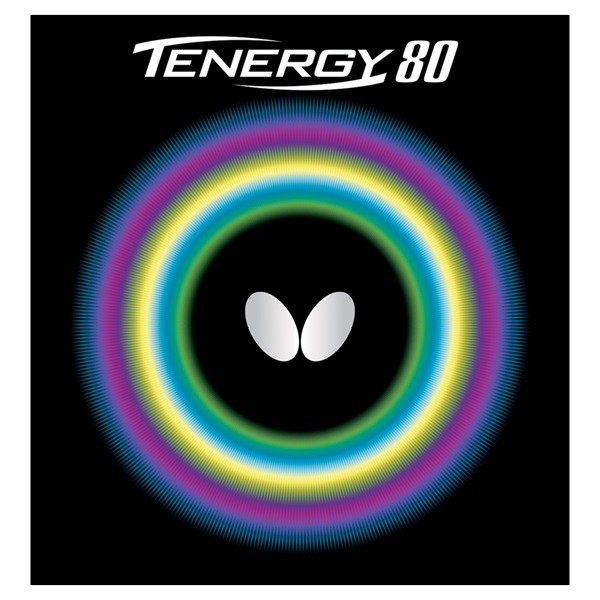
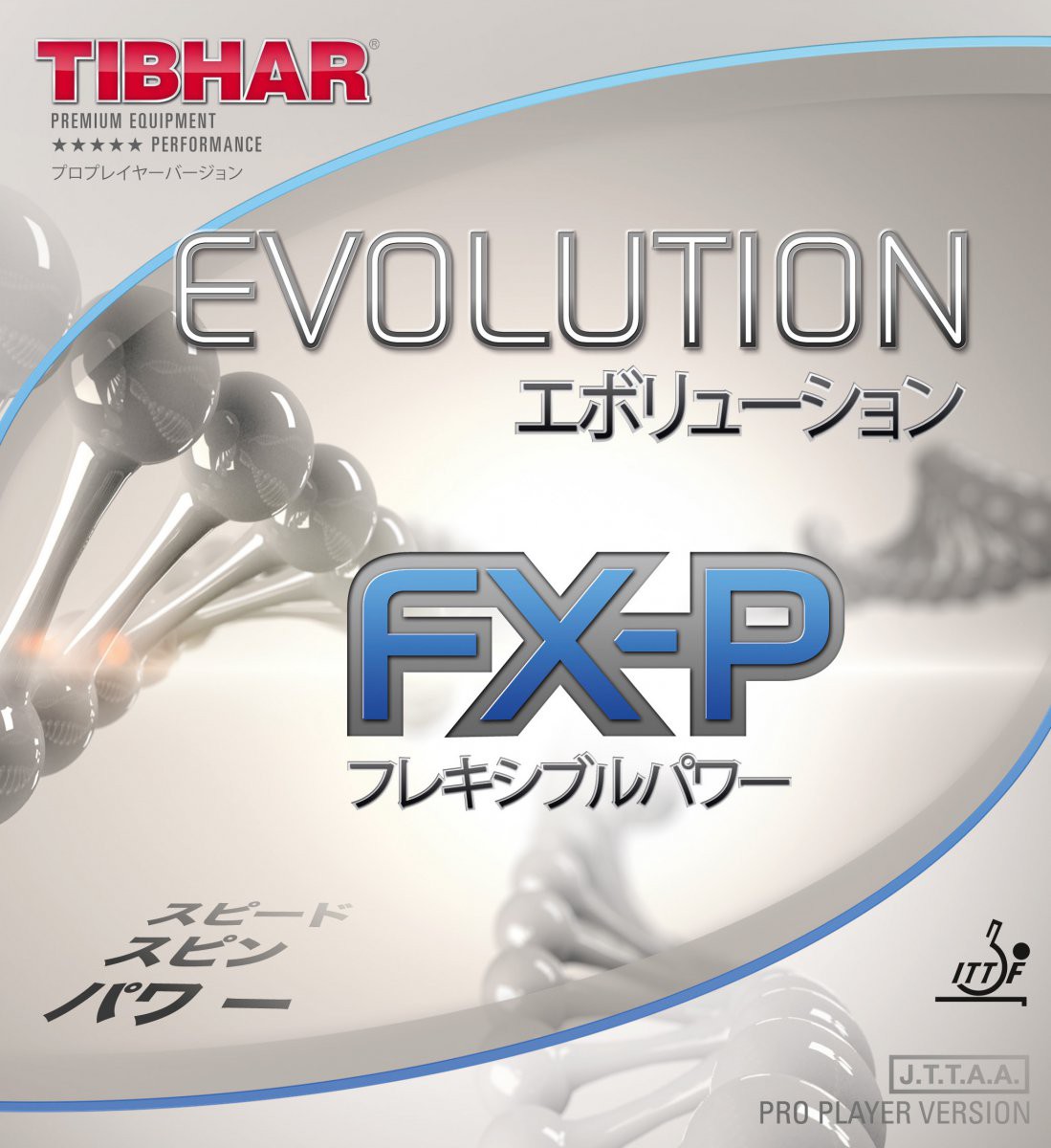
We may earn a commission from links on this page. Learn more.
Tenergy 80 is faster and more powerful, driving superior mid-distance attacks and serving spin. Evolution FX-P is extremely forgiving and spin-generous, with longer-lasting topsheet durability, but lacks top-end speed and struggles against heavy backspin from distance.
Choose Tenergy 80 if you are upper-intermediate or advanced and want aggressive offensive capability with good blocking. Choose FX-P if you value consistency, spin output, and error forgiveness over raw speed, or if you play backhand-dominated patterns. FX-P also offers better long-term value and reliability for daily club use.
FAQ
Which rubber is more durable?
Evolution FX-P has a longer-lasting topsheet. Tenergy 80, while reliable, wears faster and costs more to replace.
Can beginners use Tenergy 80?
It is recommended for upper-intermediate or advanced players. Beginners find it too fast and demanding; FX-P is better for learning.
Which rubber lifts backspin better?
Tenergy 80 handles mid-distance backspin lifts more consistently. FX-P struggles to lift heavy backspin from far distance.
Which is easier for blocking?
Both block well. Tenergy 80 has a lower throw angle for easier blocks; FX-P is equally solid but more forgiving on mishits.