Butterfly Tenergy 80 vs Donic Bluestorm Z1 Turbo: Which Should You Buy?
| Butterfly Tenergy 80 | Donic Bluestorm Z1 Turbo | |
|---|---|---|
| Our rating | 8.8/10 | 8.3/10 |
| best_side | both | forehand |
| control | medium-high | 8.2/10 |
| speed | 13.5/14 | 9.8/10 |
| spin | 11.2/12 | 9.9/10 |
| sponge_hardness | 36° | 50 degrees |
| type | tensor inverted (Spring Sponge) | inverted |
| weight_uncut_g | 67 | 71 |
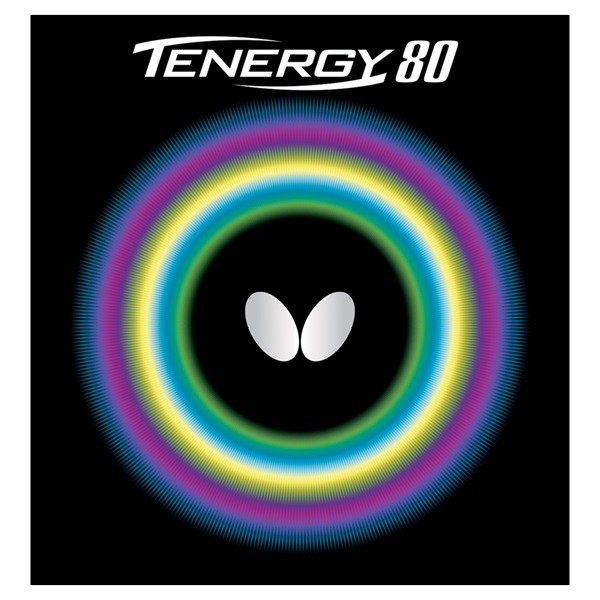
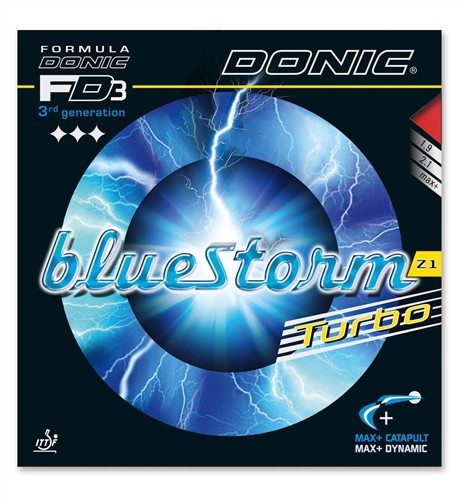
We may earn a commission from links on this page. Learn more.
The Tenergy 80 delivers genuine all-court control with a medium-low throw, making it accessible for blockers and mid-distance attackers. Its speed is direct and its spin reliable without excessive booster dependence. The Bluestorm Z1 Turbo reaches the highest speed ceiling among ESN tensor rubbers at comparable pricing but demands booster application to perform consistently, offers muffled feedback, and presents a steep learning curve.
If you want ready-to-play consistency and versatile blocking, Tenergy 80 wins. If you are an advanced forehand aggressor willing to invest in booster and technique adjustment, the Z1 Turbo unlocks premium mid-to-far-distance pace.
FAQ
Which rubber suits beginners better?
Tenergy 80. It is faster than older generations yet remains stable and forgiving across blade types. The Bluestorm Z1 is explicitly not recommended for developing players.
Do I need booster for either?
Tenergy 80 performs perfectly stock. Bluestorm Z1 is unreliable without booster application.
Which has better short-game control?
Tenergy 80 by a significant margin. The Z1’s thick, muffled feedback and low throw angle make flicks and touch play problematic.
How do their ratings compare?
Tenergy 80 rates 8.8 versus Bluestorm Z1 at 8.3, reflecting the Tenergy’s broader playability and the Z1’s specialization in raw speed.