Butterfly Tenergy 64 vs Stiga DNA Dragon Grip: Which Should You Buy?
| Butterfly Tenergy 64 | Stiga DNA Dragon Grip | |
|---|---|---|
| Our rating | 8.6/10 | 8.7/10 |
| best_side | both wings, but especially the backhand and for speed-first attackers | forehand |
| control | medium-high | 7.5 |
| speed | very high | 9.2 |
| spin | high but the lowest of the Tenergy line | 9.5 |
| sponge_hardness | approximately 36 degrees on the Butterfly scale (around 48 degrees ESN, plays nearer 45) | 55 |
| type | spring sponge high tension tensor, inverted topsheet | inverted |
| weight_uncut_g | approximately 70 (around 47 g cut at 2.1 mm) | 72 |
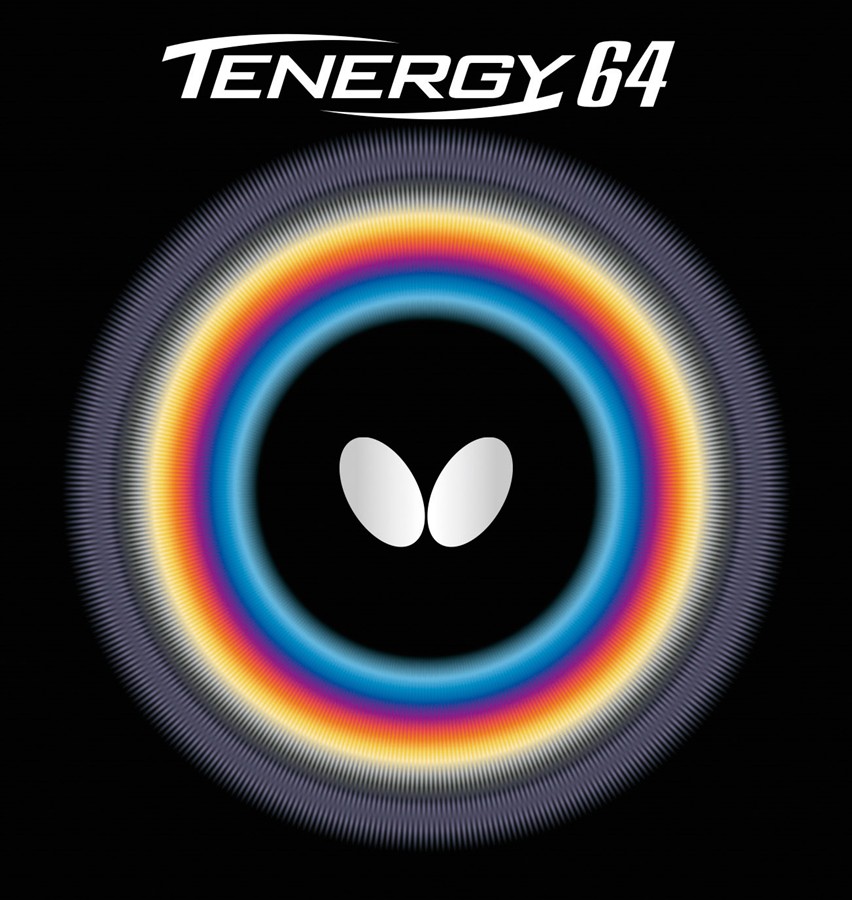
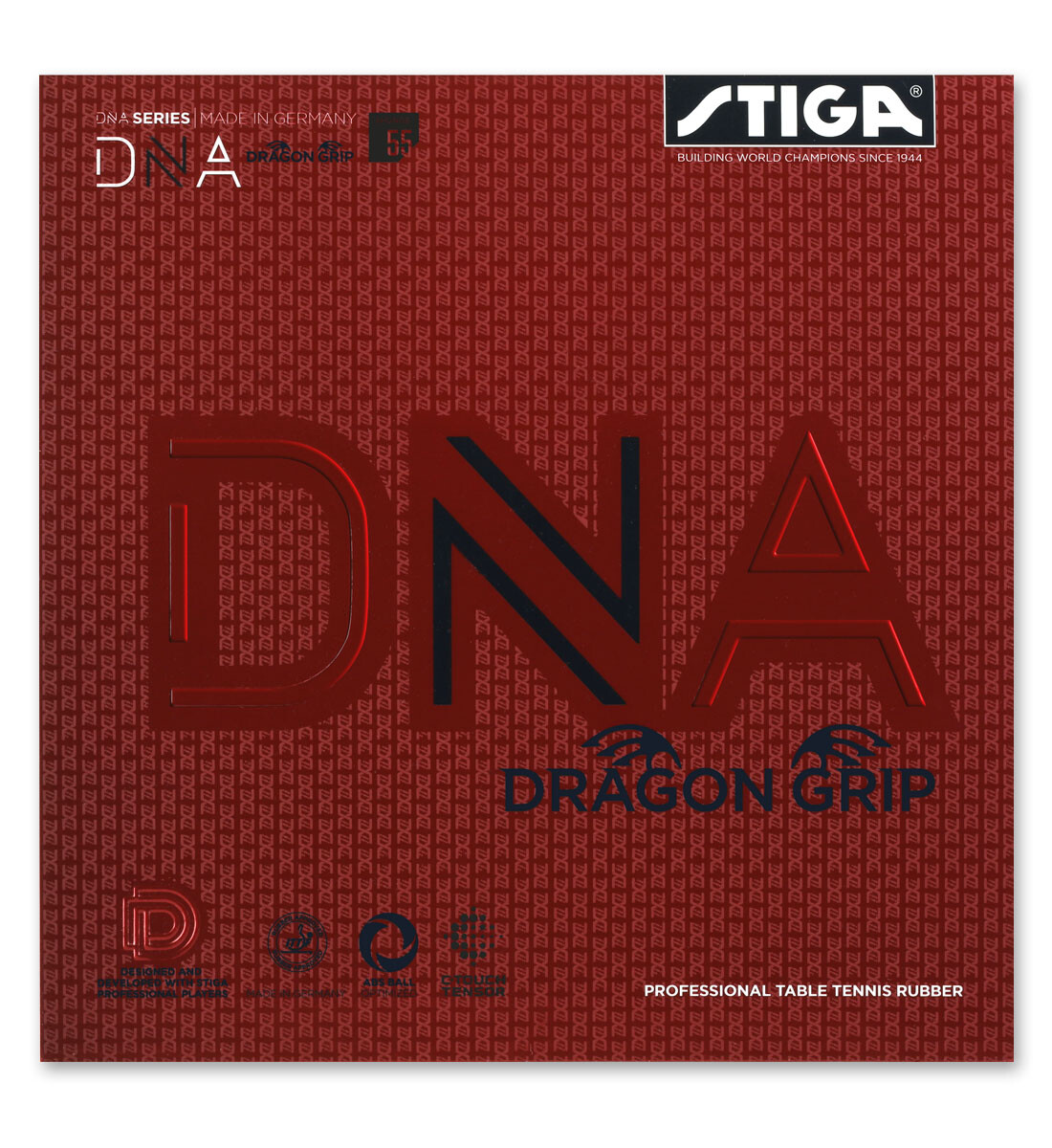
We may earn a commission from links on this page. Learn more.
Butterfly Tenergy 64 (8.6 rating) and Stiga DNA Dragon Grip (8.7 rating) both target advanced attacking players but represent opposite performance philosophies. Tenergy 64 is the fastest Tenergy with spin-insensitive blocking and countering, ideal for backhands and speed-first players. Dragon Grip achieves category-leading spin at 9.64/10 community average through Chinese topsheet grip with European sponge response, best for advanced forehand attackers and loopers.
Tenergy’s spin-insensitivity makes it exceptional for players who block and counter; Dragon Grip’s elite spin demands commitment to aggressive attacking. Tenergy’s light approximately 48-gram cut reduces fatigue across training; Dragon Grip at 72 grams provides different mass feedback. Tenergy’s very high speed benefits backcourt play; Dragon Grip’s 55-degree hardness and moderate throw angle work better in mid-distance attacking loops.
Dragon Grip’s critical flaw is durability: tacky topsheet degrades within 4-8 weeks with sudden performance cliff. Tenergy 64 offers long top-line life through proven spring sponge build. Dragon Grip is humidity sensitive and plays poorly in non-climate-controlled environments. Tenergy 64’s modest short game and unforgiving passive serve receive match Dragon Grip’s spin-first design philosophy. Choose Tenergy for consistency and backcourt speed; choose Dragon Grip only accepting 2-3 month replacement cycles.
FAQ
Which rubber suits long training sessions better?
Tenergy 64 is lighter at approximately 48 grams cut, reducing fatigue during extended play. Dragon Grip at 72 grams is heavier, though weight becomes secondary when considering Dragon Grip’s 4-8 week lifespan.
Which handles humidity variability?
Tenergy 64 maintains consistent performance across conditions. Dragon Grip is humidity sensitive and plays poorly in non-climate-controlled environments, adding environmental risk to its short replacement cycle.
Which is better for match play pressure?
Tenergy 64’s spin-insensitivity aids consistency under pressure, particularly on service return and countering. Dragon Grip’s performance cliff risk makes it unreliable unless replaced immediately before matches.