Butterfly Tenergy 19 vs Nittaku Fastarc G-1: Which Should You Buy?
| Butterfly Tenergy 19 | Nittaku Fastarc G-1 | |
|---|---|---|
| Our rating | 8.7/10 | 8.8/10 |
| best_side | forehand | both |
| control | high — extended dwell time provides greater margin for error than other Tenergy variants | medium-high |
| speed | 132 | 15.0 (Nittaku) |
| spin | 117 | 12.5 (Nittaku) |
| sponge_hardness | 36 degrees (approx 48 degrees ESN) | 47.5° |
| type | inverted / pimples-in tensor | tensor inverted |
| weight_uncut_g | approx 49 g | 69 |
We may earn a commission from links on this page. Learn more.
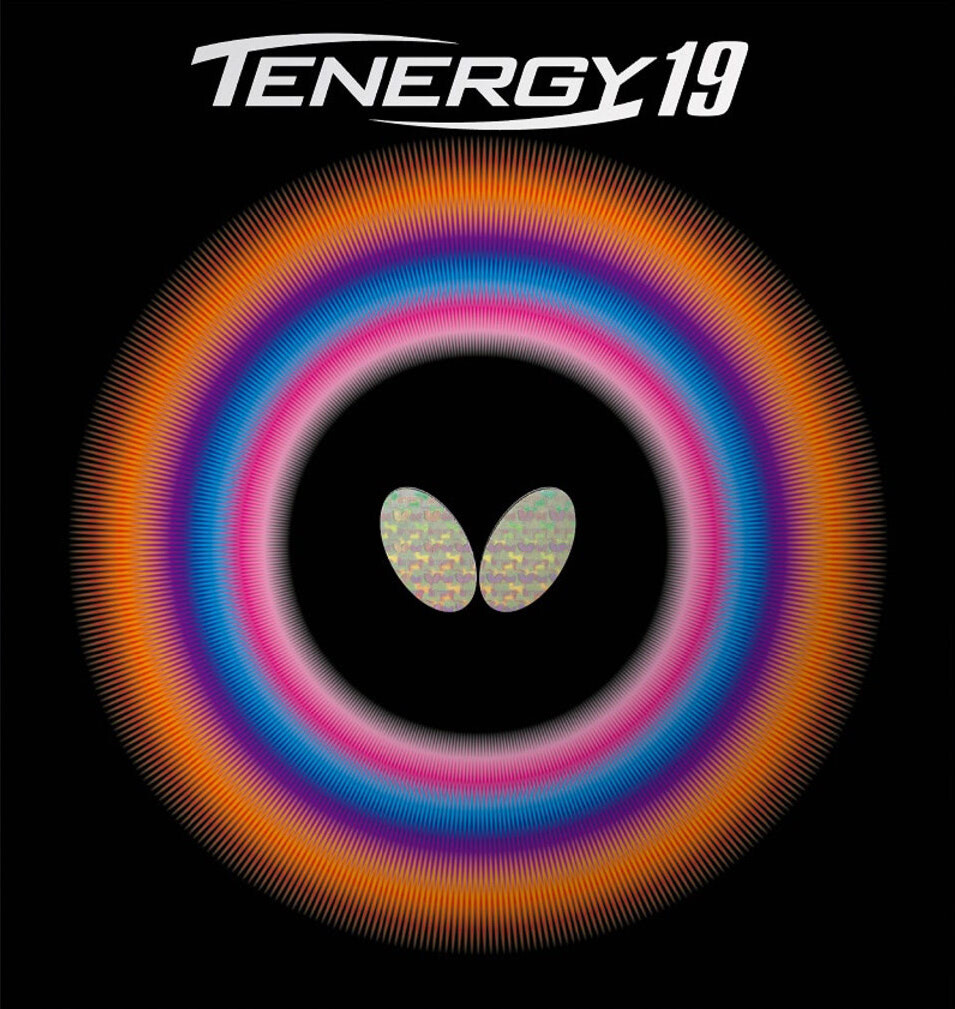
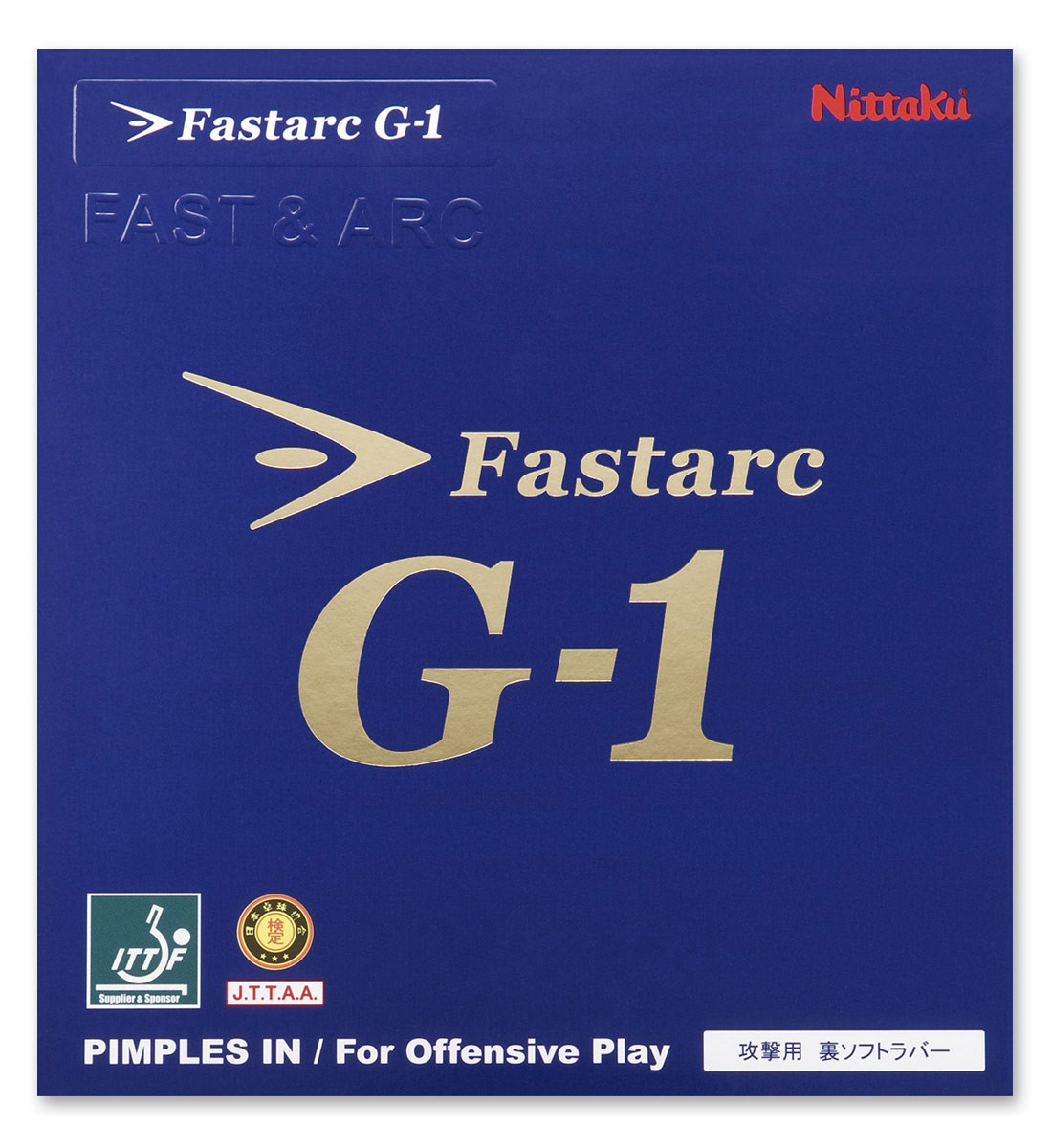
Tenergy 19 excels at spin with extended dwell and customizable thickness (1.7–2.1 mm), ideal for forehand loop-focused players. Nittaku Fastarc G-1 is a proven, hugely popular all-court attacking rubber for either wing, offering high throw, heavy spin, real speed together, and Tenergy-class durability at lower cost. G-1 has a firm 47.5-degree sponge that rewards committed, technically sound strokes and is noticeably heavier. Both are premium-tier; Tenergy 19 is slightly spinnier and more forgiving, while G-1 is more versatile and offers better value. G-1 suits intermediate-to-advanced all-court players; Tenergy 19 suits forehand spin specialists.
FAQ
Which is faster?
G-1 is rated 15.0 Nittaku scale vs. Tenergy 19’s 132. G-1 has real speed advantage.
Which is more versatile?
G-1 works on both wings for intermediate-to-advanced players. Tenergy 19 is forehand-optimized.
Which is heavier?
G-1 is on the heavier side (~69g uncut) vs. Tenergy 19’s ~49g. G-1 weight is noticeable for some players.
Who should pick Tenergy 19?
Intermediate-to-advanced forehand attackers prioritizing spin margin, wanting customizable thickness.
Who should pick G-1?
Intermediate-to-advanced all-court players wanting heavy spin, real speed, high throw angle, and Tenergy-class durability at lower cost.