Butterfly Innerforce Layer ZLC vs Stiga Intensity NCT Carbon: Which Should You Buy?
| Butterfly Innerforce Layer ZLC | Stiga Intensity NCT Carbon | |
|---|---|---|
| Our rating | 8.7/10 | 8.0/10 |
| feel | Soft ZLC feel, woody touch, excellent dwell time | medium-soft, good dwell, large sweet spot |
| handle | FL / ST / AN / CS | Flared, Anatomic, Straight, Chinese Penhold |
| plies | 7-ply, 5 wood + 2 ZL carbon (inner) | 5 wood + 2 carbon NCT |
| speed | OFF+ | OFF- |
| thickness_mm | 5.7 | 5.9 |
| weight_g | 85-94 | 82 |
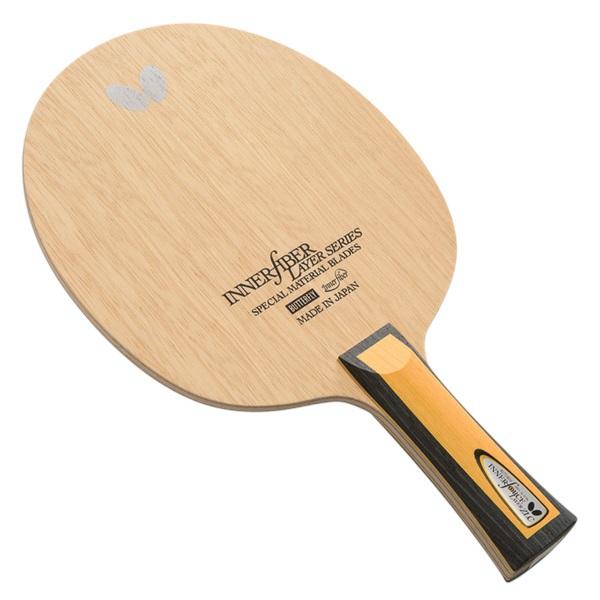
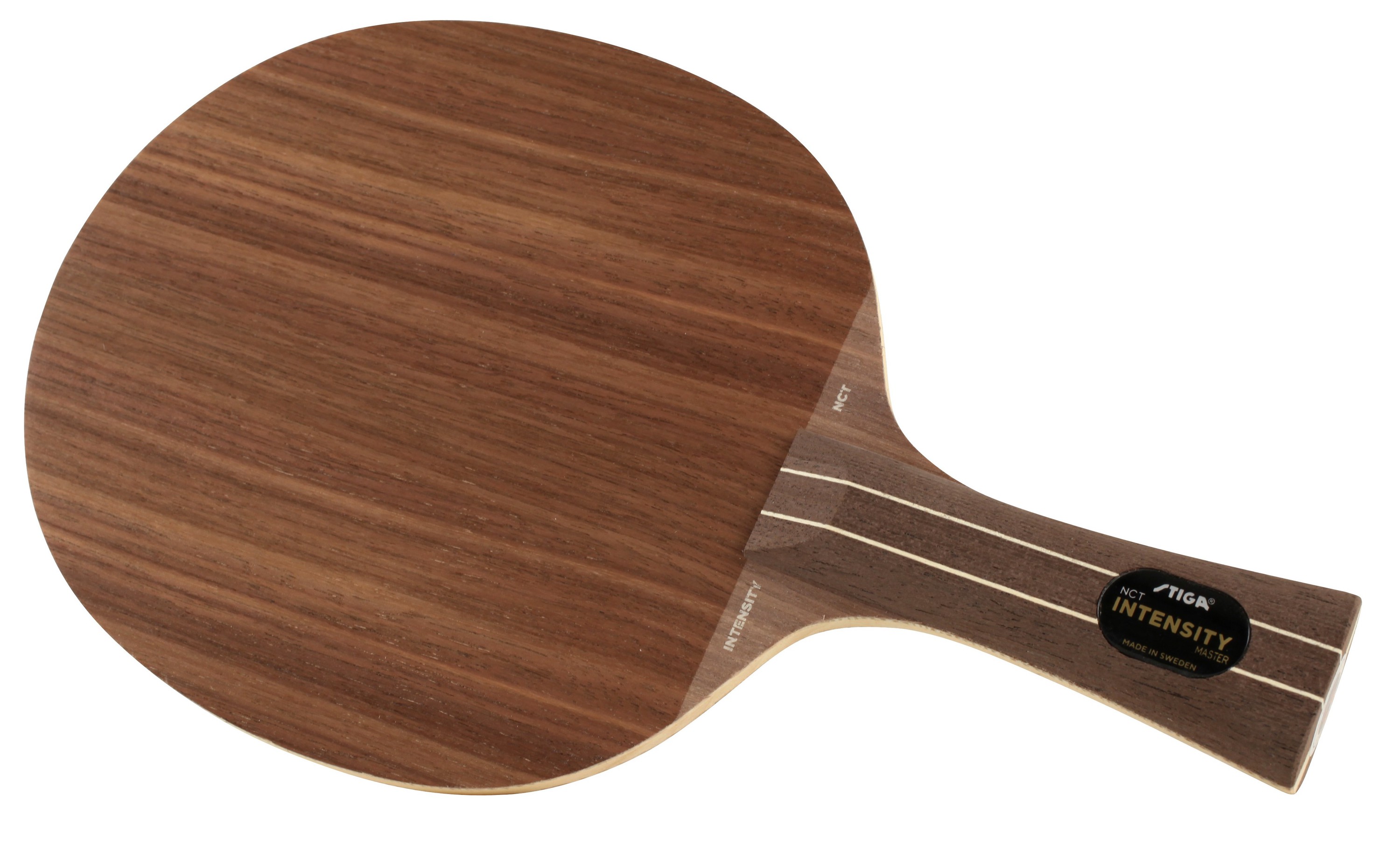
We may earn a commission from links on this page. Learn more.
The Innerforce Layer ZLC delivers soft ZLC feel with OFF+ speed, exceptional control and spin generation, low throw angle for close-to-mid-distance aggressive play, and high consistency. The Stiga Intensity NCT Carbon offers large sweet spot, excellent dwell for heavy topspin, lightweight build, and strong value—but blocks and smashes feel underpowered, and it suits looping specialists more than all-rounders.
The Innerforce Layer ZLC suits advanced loopers seeking high-control, high-spin offensive blade with placement precision. The Intensity NCT appeals to intermediate-to-advanced players prioritizing topspin consistency and dwell over raw power, especially transitioning from all-wood to their first carbon composite.
FAQ
Which produces more spin?
The Innerforce Layer ZLC—exceptional dwell and spin generation. The Intensity NCT has excellent dwell for topspin, but the ZLC exceeds it.
Can the Intensity NCT handle power play?
Poorly—blocks and power smashes feel underpowered. It’s optimized for looping, not flat attacks or far-distance smashing.
Which is more versatile?
The Innerforce Layer ZLC—it handles loops, control, and consistent play. The Intensity NCT excels at looping but underperforms on power.
Which is faster?
The Innerforce Layer ZLC at OFF+. The Intensity NCT is OFF-, noticeably slower.
Are the Intensity’s sharp edges a problem?
Yes—handle edges can cause finger discomfort for shakehand players. File or tape edges if needed.