Butterfly Innerforce Layer ZLC vs Stiga Cybershape Wood: Which Should You Buy?
| Butterfly Innerforce Layer ZLC | Stiga Cybershape Wood | |
|---|---|---|
| Our rating | 8.7/10 | 8.4/10 |
| feel | Soft ZLC feel, woody touch, excellent dwell time | Medium-soft, dwell-heavy, linear feedback |
| handle | FL / ST / AN / CS | Flare / Straight / Anatomic (Italian wood) |
| plies | 7-ply, 5 wood + 2 ZL carbon (inner) | 7-ply all wood |
| speed | OFF+ | OFF- |
| thickness_mm | 5.7 | 5.8-5.9 mm |
| weight_g | 85-94 | 80-85 g (base); up to 94 g with CWT weights |
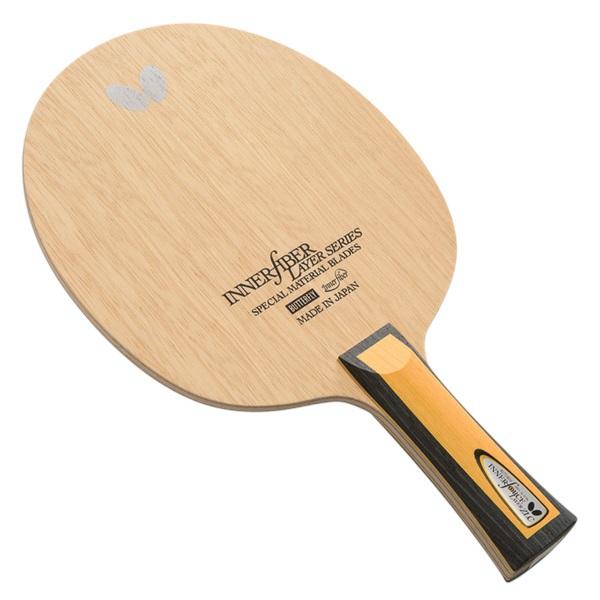
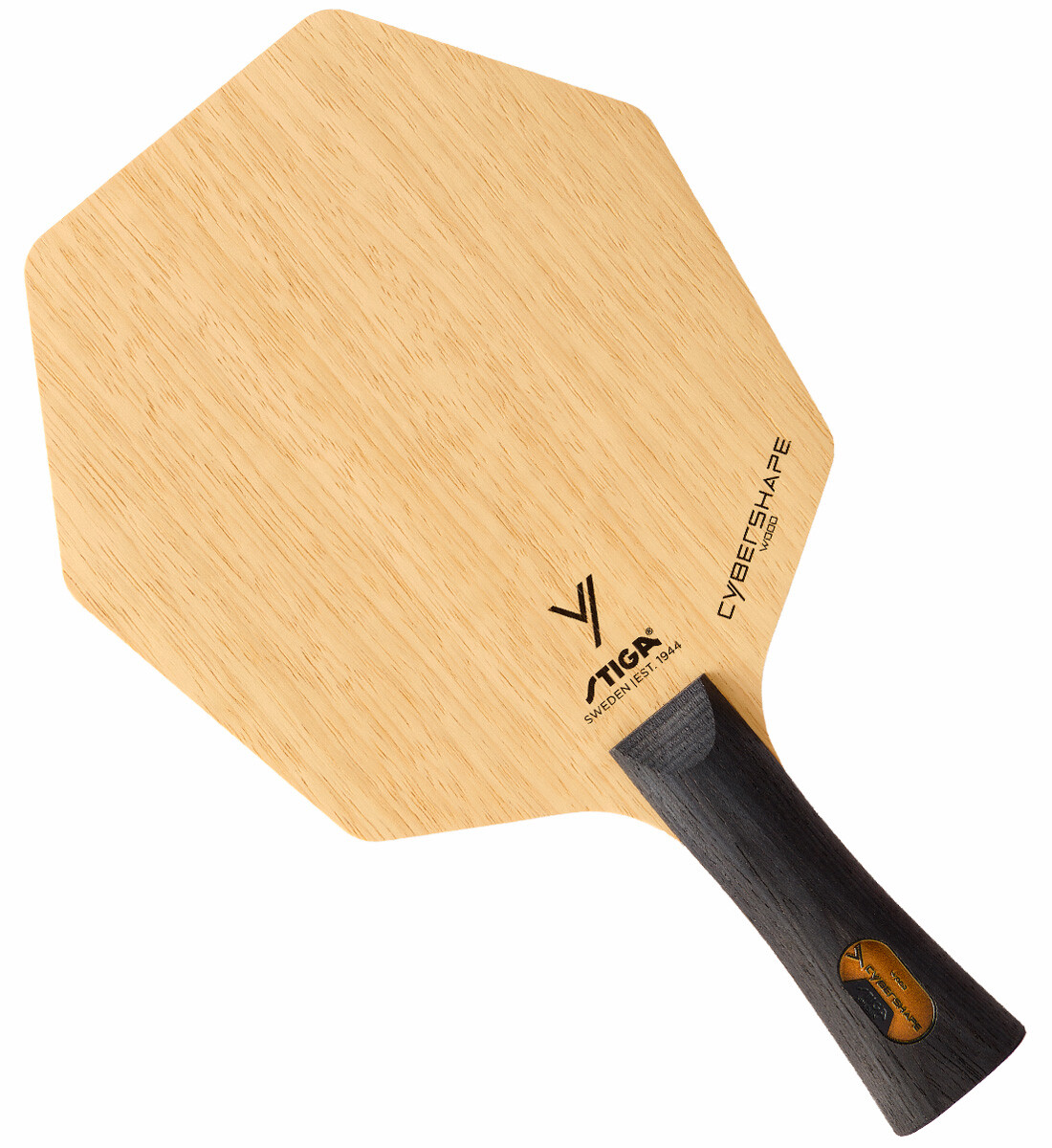
We may earn a commission from links on this page. Learn more.
The Butterfly Innerforce Layer ZLC combines soft ZLC feel with carbon power at close-to-mid distance, delivering exceptional control for an OFF+ blade with outstanding dwell time and spin generation.
The Stiga Cybershape Wood is a 7-ply all-wood blade with an enlarged hexagonal sweet spot positioned higher to help off-centre contacts. Linear feedback and excellent dwell support heavy topspin and spin variation without raw speed.
ZLC is faster and more powerful; Cybershape is slower but more consistent and forgiving for technique development. Cybershape suits spin-first all-rounders; ZLC suits advanced offensive loopers. Cybershape is significantly more approachable for intermediate players.
FAQ
Which is more forgiving?
Cybershape’s hexagonal sweet spot is specifically designed for off-centre forgiveness. Innerforce Layer ZLC forgiving for its speed class but demands more precision.
Which generates more spin?
Both excel at spin but differ: Cybershape through pure dwell for maximum retention; Innerforce Layer ZLC through dwell plus carbon acceleration for explosive spin loops.
Which suits intermediate players?
Stiga Cybershape Wood is far more intermediate-friendly. It does not require thick rubbers, forgives technique gaps, and develops consistent stroke without overwhelming speed.
How much faster is Innerforce Layer ZLC?
Innerforce Layer ZLC is OFF+; Cybershape is OFF-. ZLC is noticeably faster at distance. For close-to-table touch, the speed difference is minimal.