Butterfly Innerforce Layer ZLC vs Donic Appelgren Allplay: Which Should You Buy?
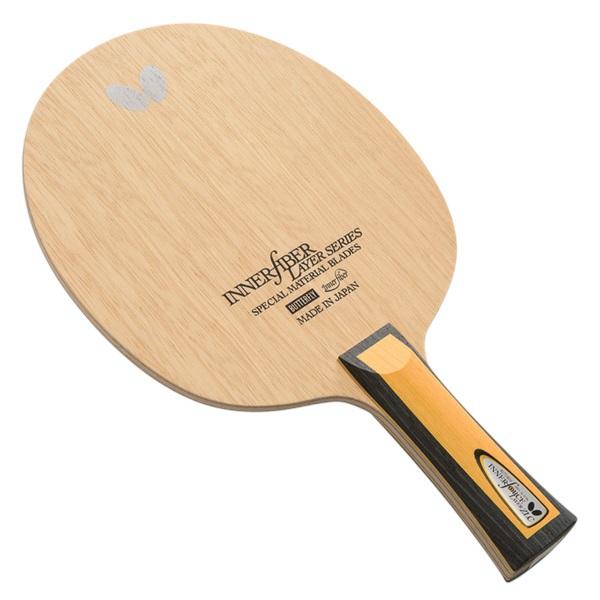
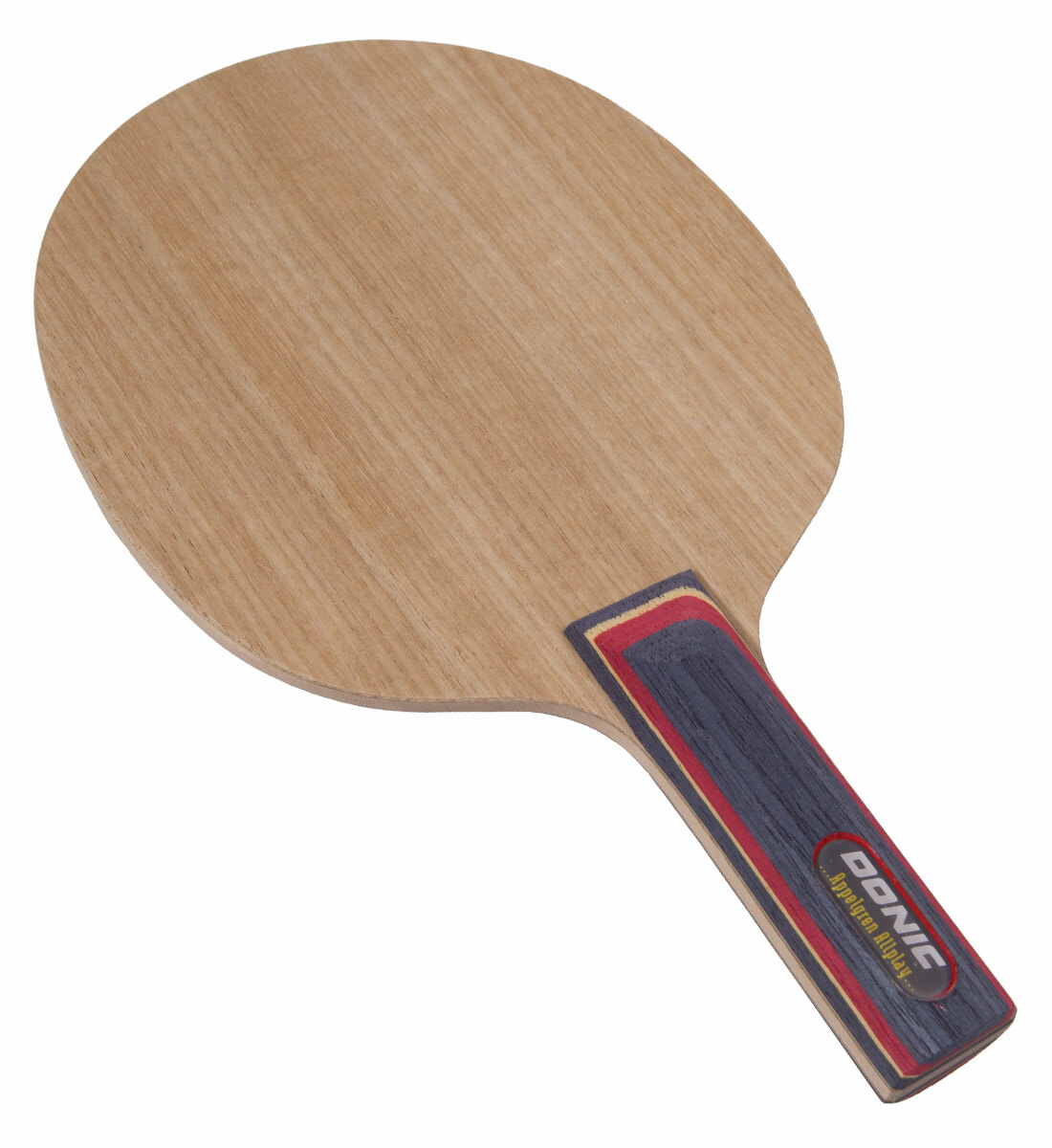
| Butterfly Innerforce Layer ZLC | Donic Appelgren Allplay | |
|---|---|---|
| Our rating | 8.7/10 | 8.3/10 |
| feel | Soft ZLC feel, woody touch, excellent dwell time | medium, controlled |
| handle | FL / ST / AN / CS | FL/ST/AN |
| plies | 7-ply, 5 wood + 2 ZL carbon (inner) | 5W (abachi core + limba) |
| speed | OFF+ | ALL |
| thickness_mm | 5.7 | 5.8 |
| weight_g | 85-94 | 85 |
We may earn a commission from links on this page. Learn more.
These target completely different skill levels. The ZLC sits at the advanced extreme: OFF+ speed, exceptional control and dwell for players already capable of generating pace through technique. The Donic Appelgren Allplay (8.3) is built for beginners and developing players—all-wood, ALL speed, outstanding touch and forgiveness across every stroke.
The Allplay’s true strength is honesty: it delivers exactly what you put in, with genuine feedback that helps learning. Pair it with a quality non-tension rubber like DHS Hurricane 3, and a beginner has a competitive setup rivaling any pre-made racket. The ZLC demands an active stroke and punishes passive play; the Allplay welcomes it and teaches correct technique. The Allplay will eventually feel slow to an ambitious intermediate player, while the ZLC will remain a high-end weapon for advanced players for years.
FAQ
Which is better for beginners?
Allplay by far. It’s designed for developing players with control, forgiving touch and excellent feedback. ZLC is unsuitable for beginners.
Which is faster?
ZLC (OFF+ vs ALL). Allplay has little inherent power and requires good technique to generate pace.
Which is better value?
Allplay. At budget pricing, it’s excellent value. Pair with quality non-tension rubber and surpass most pre-made rackets.
Can the Allplay be upgraded for offense?
Yes, somewhat. Pairing with a faster tensor rubber shifts it toward offense, but it’s fundamentally a beginner-friendly, learning-oriented blade.