Butterfly Harimoto Tomokazu Innerforce ALC vs Nittaku Acoustic Carbon: Which Should You Buy?
| Butterfly Harimoto Tomokazu Innerforce ALC | Nittaku Acoustic Carbon | |
|---|---|---|
| Our rating | 8.7/10 | 8.8/10 |
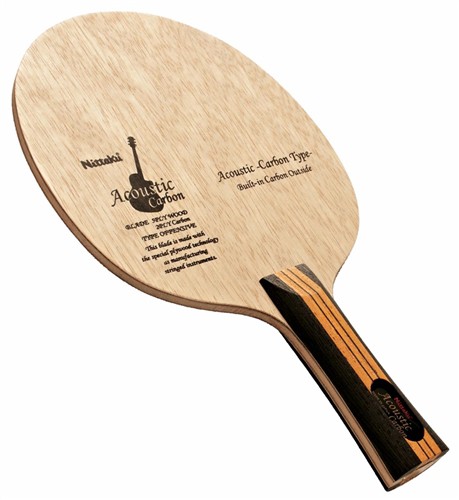
| feel | soft, grippy, wood-like with carbon activation on full swings | Medium-hard outer carbon with surprising wood-like dwell and ball retention; crisp sound on contact |
| handle | FL/ST/AN | FL, ST (also Large Handle and Chinese Penhold variants available) |
| plies | 5 wood + 2 ALC (Arylate-Carbon inner fiber) | 7 plies — 5 wood + 2 FE carbon (Limba - FE Carbon - Limba - Tung - Limba - FE Carbon - Limba) |
| speed | OFF- | OFF |
| thickness_mm | 5.9 | 5.5mm |
| weight_g | 88 | approx 90g |
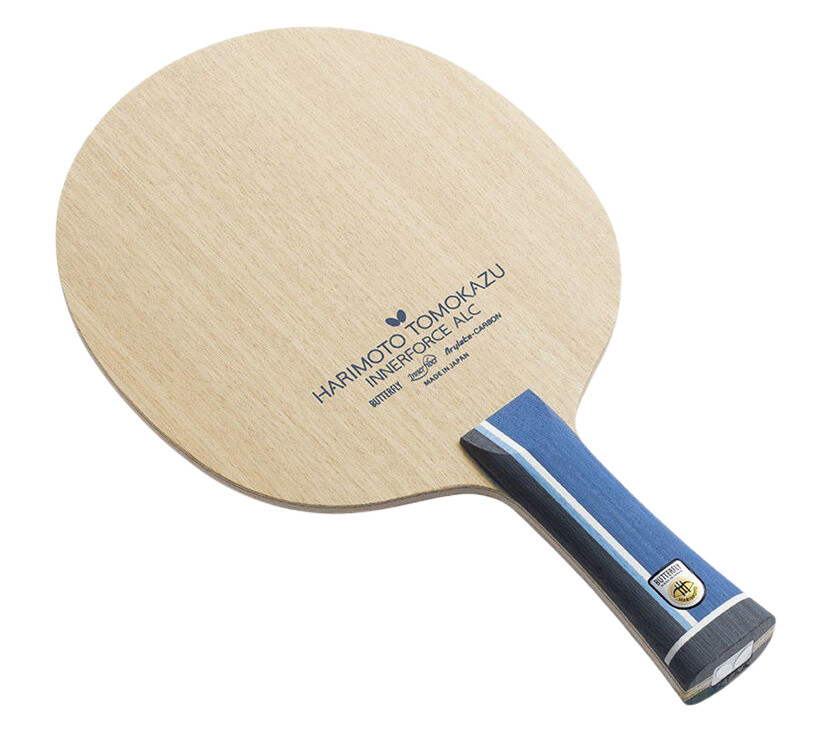
Butterfly Harimoto Tomokazu Innerforce ALC
Check price on AmazonRead the full Butterfly Harimoto Tomokazu Innerforce ALC review →
We may earn a commission from links on this page. Learn more.
Choose Butterfly Harimoto Tomokazu Innerforce ALC if: You value high performance and prioritize aggressive offensive play. Rating: 8.7/10.
Choose Nittaku Acoustic Carbon if: You need balanced performance across versatile playstyles. Rating: 8.8/10.
Nittaku Acoustic Carbon scores higher (8.8 vs. 8.7), reflecting better versatility and forgiving characteristics.
FAQ
Which is easier for learning to loop?
Butterfly Harimoto Tomokazu Innerforce ALC offers more help due to sponge characteristics.
Which offers the best value?
Nittaku Acoustic Carbon delivers better value. Nittaku Acoustic Carbon combines affordability with strong performance.
Which rubber maintains its grip longer?
Both have different longevity patterns handles wear better. Check specific playing conditions in detailed reviews.