Butterfly Hadraw VK vs Nittaku Acoustic: Which Should You Buy?
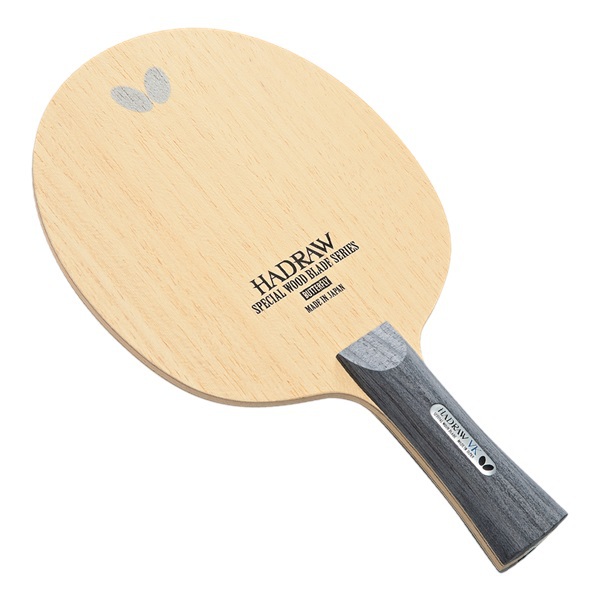
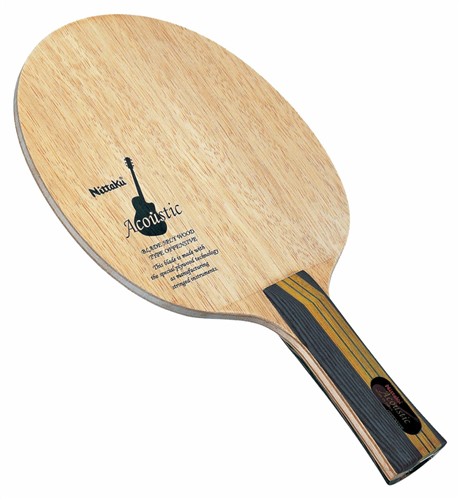
| Butterfly Hadraw VK | Nittaku Acoustic | |
|---|---|---|
| Our rating | 8.6/10 | 8.7/10 |
| feel | flexible, high dwell, natural wood feedback | Crisp all-wood feel with a large sweet spot, long dwell and a signature acoustic sound |
| handle | FL / ST / AN (Shakehand) | FL/ST |
| plies | 5-ply all wood (Koto outer, Hinoki, Kiri, Ayous core) | 5-ply all wood (Limba outer veneers over a tung and ayous core) |
| speed | OFF- | OFF- |
| thickness_mm | 5.7 | 5.7 |
| weight_g | 84 | 88 |
We may earn a commission from links on this page. Learn more.
Both blades are exceptional all-wood controls excelling at dwell and feedback. The Hadraw VK offers lightweight versatility and natural Koto feel, while the Nittaku Acoustic delivers class-leading control and a distinctive acoustic character that resonates across feedback platforms.
The Acoustic features a large sweet spot and long dwell that make looping and blocking consistently forgiving, with excellent spin generation at near and far distances. It pairs well with diverse rubbers and benefits from premium Japanese craftsmanship. However, it costs more and its standard flared handle runs small, requiring grip tape or larger-handle variants for bigger hands.
Choose the Hadraw VK for affordability and lightweight management across playing styles. Choose Acoustic if budget permits and you want class-leading control feedback and a larger sweet spot.
FAQ
Which is lighter?
Hadraw VK at 84g versus Acoustic at 88g, a minor difference.
Which has a larger sweet spot?
Acoustic is noted for a large sweet spot. Hadraw VK is more refined.
Which has better feedback?
Acoustic delivers class-leading control and distinctive acoustic feedback.
Which costs more?
Acoustic commands a premium price over Hadraw VK.
Can larger hands use Acoustic’s standard handle?
Standard handles run small; users typically add grip tape or choose larger LG/G-Revision versions.