Butterfly Glayzer vs Tibhar Quantum X Pro: Which Should You Buy?
| Butterfly Glayzer | Tibhar Quantum X Pro | |
|---|---|---|
| Our rating | 8.2/10 | 8.5/10 |
| best_side | Forehand or Backhand (all-round offensive) | both |
| control | High | medium |
| speed | 81 (manufacturer) | very high |
| spin | 73 (manufacturer) | very high |
| sponge_hardness | 38 degrees (JPN) | 47.5 degrees |
| type | Inverted / High Tension (Spring Sponge X) | tensor |
| weight_uncut_g | around 48g uncut | 70 |
We may earn a commission from links on this page. Learn more.
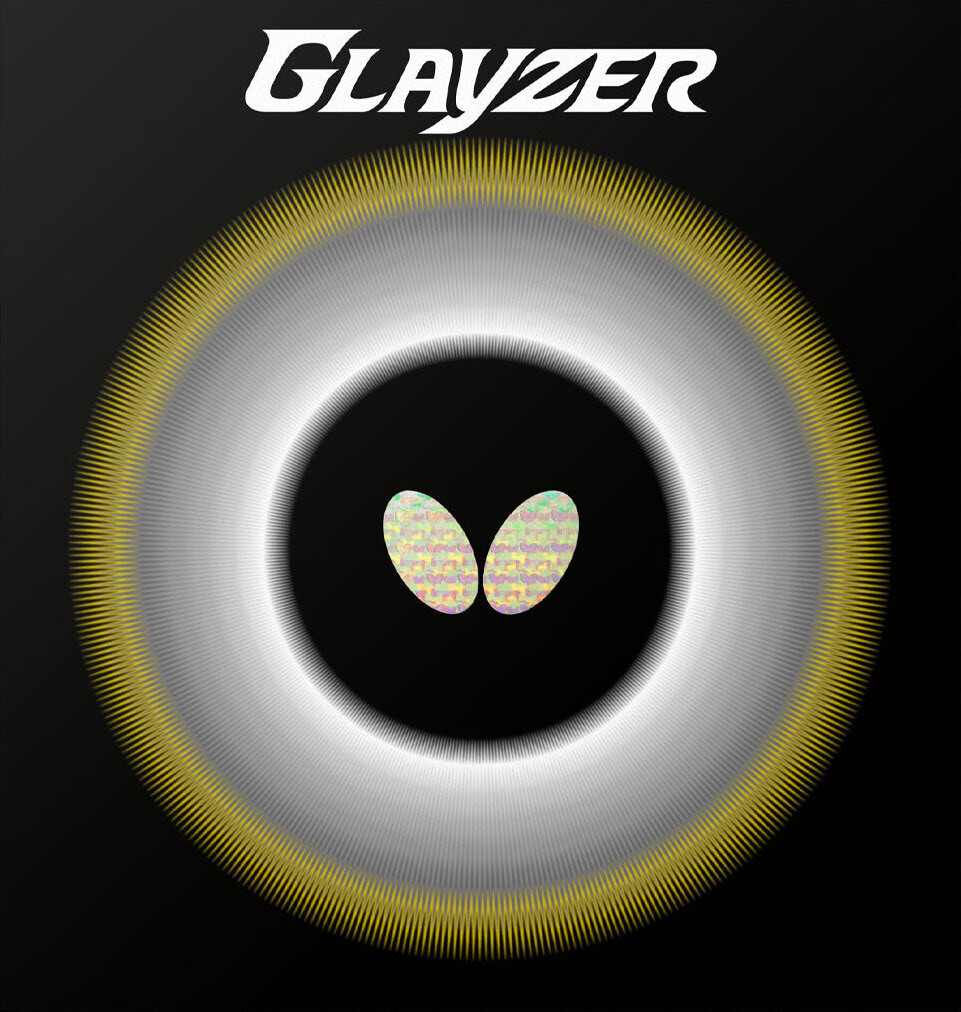
Butterfly Glayzer and Tibhar Quantum X Pro both pursue control within their respective categories, but represent different technologies and skill targets. Glayzer is an inverted rubber emphasizing accessibility, consistency, and wide gear range—it provides reliable inverted performance without extreme speed or hardness demands. Its Dignics topsheet and 38-degree sponge remain forgiving for intermediate players transitioning to multi-gear play.
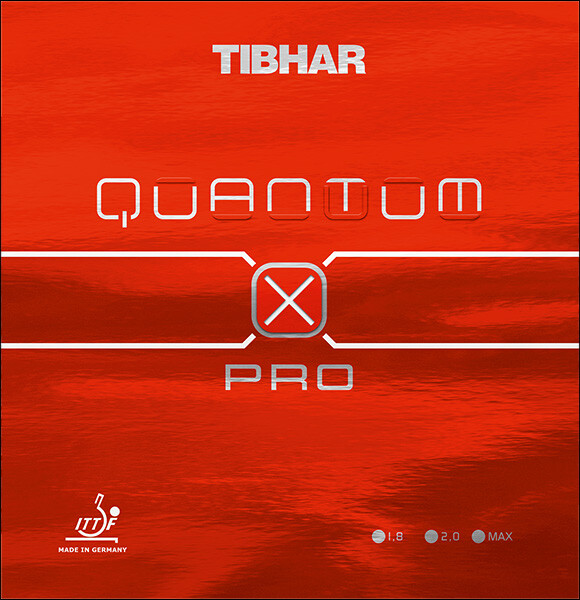
Quantum X Pro is a MAX-hardness tensor engineered for near-table counter-topspin consistency on carbon and composite blades, particularly on the backhand. Its hard sponge, low spin sensitivity, and elite Tibhar engineering suit defensive specialists seeking reliable blocks without sacrificing spin on demand. However, it struggles from mid-distance and demands decent technique. Glayzer is the all-around inverted option; Quantum X Pro is the backhand-specialist tensor.
FAQ
Which is faster?
Quantum X Pro is significantly faster due to tensor construction and harder sponge.
Which handles incoming topspin better?
Quantum X Pro is less sensitive to incoming spin, making blocking more reliable under pressure.
Can Glayzer match Quantum X Pro on backhand?
Glayzer is solid for backhand but not optimized for it. Quantum X Pro dominates backhand performance.
Which suits beginners?
Only Glayzer—Quantum X Pro requires developed technique and carbonfigure blade pairings.