Butterfly Freitas ALC vs Tibhar Samsonov Alpha: Which Should You Buy?
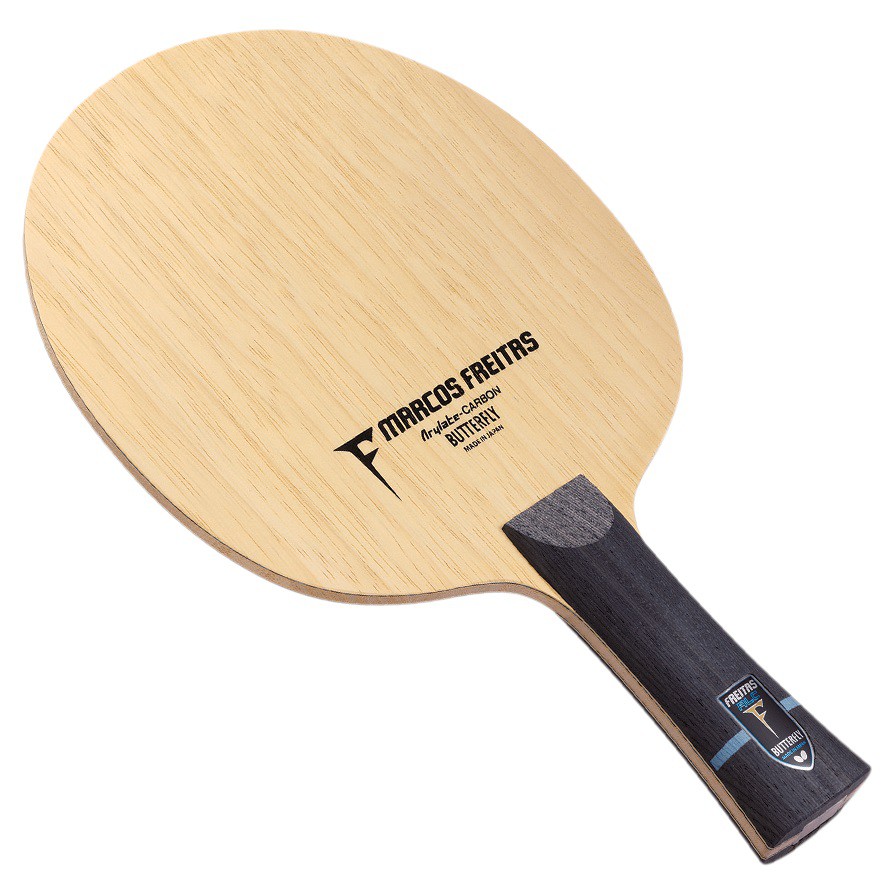
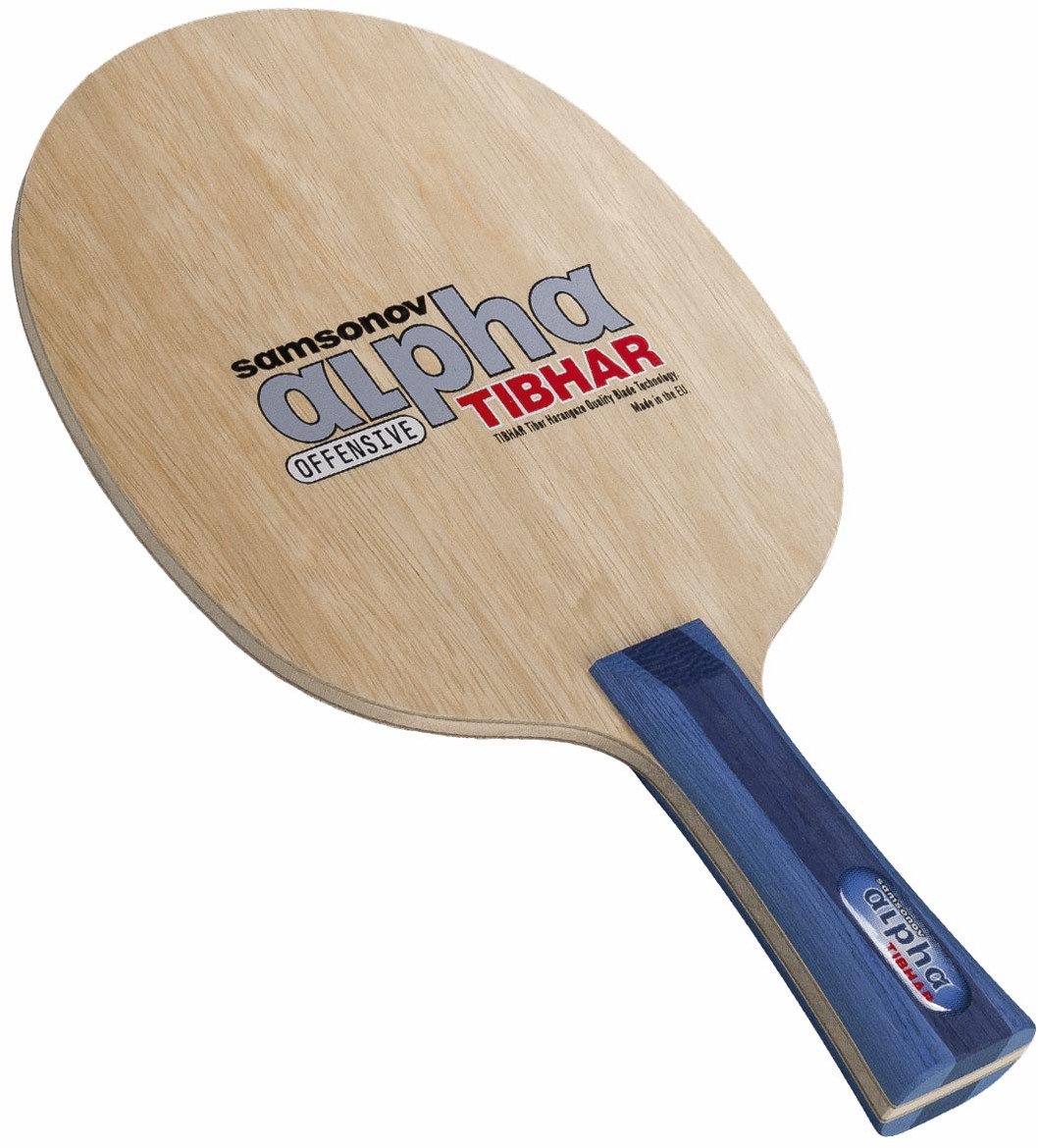
| Butterfly Freitas ALC | Tibhar Samsonov Alpha | |
|---|---|---|
| Our rating | 8.5/10 | 7.8/10 |
| feel | Medium-soft | medium-stiff, good dwell time, controllable |
| handle | Flared/Straight/Anatomic | FL/ST |
| plies | 5+2 arylate carbon (ALC) outer — Limba-ALC-Limba-Ayous-Limba-ALC-Limba | 5-ply all wood (Limba outer plies, Koto/Ayous middle layers) |
| speed | OFF | ALL |
| thickness_mm | 5.7 | 5.9 |
| weight_g | 88 | 85 |
We may earn a commission from links on this page. Learn more.
Freitas (8.5 rating, OFF) and Samsonov Alpha (7.8 rating, ALL, 85g) target different experience levels. Freitas is faster, more consistent, and competitive-ready. Samsonov Alpha is a forgiving all-round blade designed for close-to-table control and developing technique. Samsonov Alpha’s lightweight construction and generous sweet spot make learning accessible; its limited mid-to-far table pace reflects intentional design.
Freitas suits intermediate-to-advanced players seeking offensive pace and consistency. Samsonov Alpha suits beginners and intermediate blockers valuing control and touch over speed. Samsonov Alpha will feel limiting for ambitious attackers within one season; Freitas has longer competitive longevity. Both offer solid value, but for opposite player profiles. Choose Samsonov Alpha for foundational learning; upgrade to Freitas once close-table mastery is confirmed.
FAQ
Can Samsonov Alpha compete with Freitas at intermediate level?
Only if play remains close-to-table focused. Samsonov Alpha’s ALL speed rating and limited dwell make mid-to-far distance play difficult versus Freitas’ OFF. For balanced intermediate play, Freitas is more suitable.
Is Samsonov Alpha good for beginners?
Yes, excellent. Lightweight, forgiving sweet spot, good feedback, and close-table focus make it ideal for learning. Freitas is unnecessarily sophisticated for true beginners.
When should I upgrade from Samsonov Alpha to Freitas?
Once your close-table techniques (loops, blocks, pushes) are consistent and you want to develop mid-to-far distance attacking. Progression typically takes 6-12 months of regular play.