Andro Rasanter R47 vs Butterfly Sriver FX: Which Should You Buy?
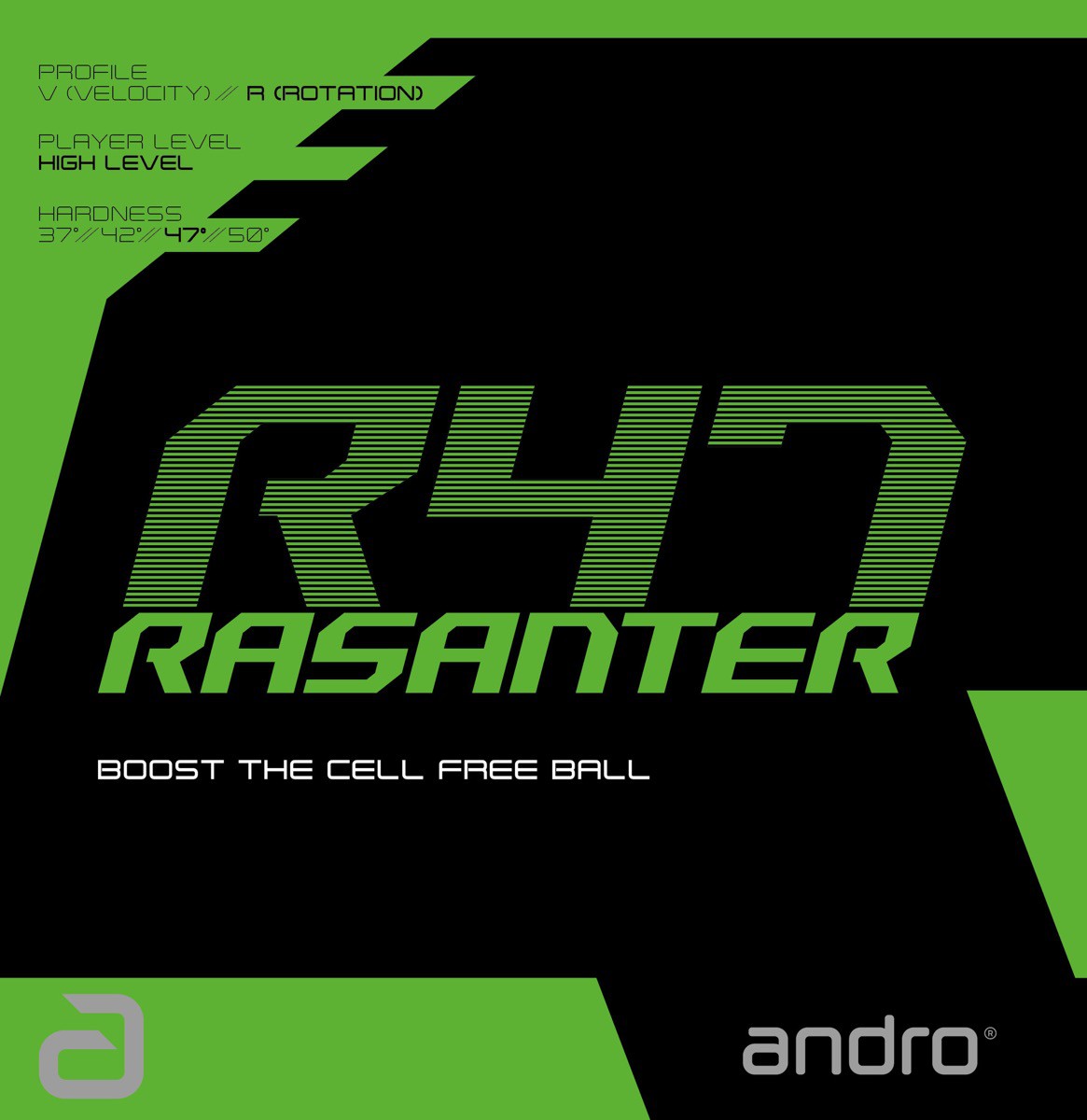
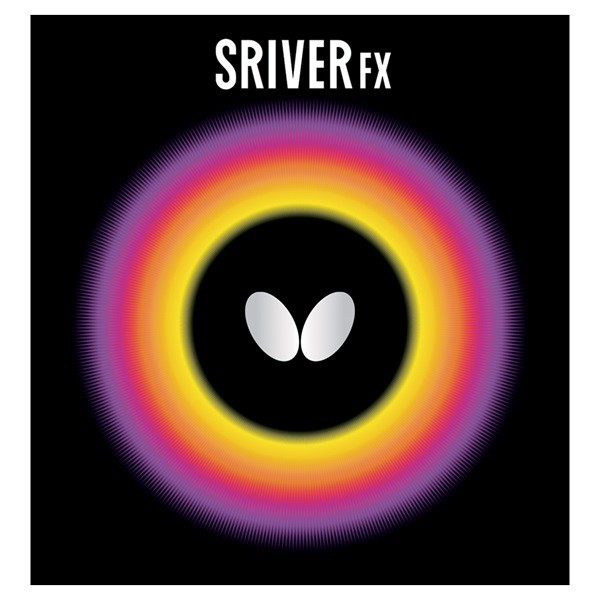
| Andro Rasanter R47 | Butterfly Sriver FX | |
|---|---|---|
| Our rating | 8.6/10 | 7.8/10 |
| best_side | both | both |
| control | medium | high |
| speed | high | medium |
| spin | high | medium-high |
| sponge_hardness | 47° | soft |
| type | tensor inverted | high-tension inverted (soft) |
| weight_uncut_g | 69 | 62 |
We may earn a commission from links on this page. Learn more.
These two barely overlap. The Rasanter R47 is a fast, demanding tensor built for advanced loopers who swing through every ball and want flagship-level spin and pace on either wing. The Sriver FX is a soft, decades-old high-tension sheet that was designed for speed glue and now plays slow and tame on its own.
If you are an advanced offensive player chasing dip and power, the R47 is the obvious answer, but it punishes a tentative stroke and durability can fade after a month or so. If you are a beginner, an intermediate still building control, or a blocker and chopper who wants steady, accurate returns, the Sriver FX is far more forgiving and costs much less.
Think of it as a power upgrade versus a control safety net. Buy by your level, not by the spec sheet.
FAQ
Which is better for a beginner?
The Sriver FX. Its soft, forgiving sponge and high control make blocking and pushing easy, while the R47 is fast enough to overwhelm players still building their strokes.
Can I use the Rasanter R47 on my backhand too?
Yes. The R47 is strong on either wing for a spin-and-pace looping game, so it suits players who attack from both sides.
Why does the Sriver FX feel slow?
It was designed for speed glue. Unglued it lacks the catapult and high throw of modern tensors, so it feels slow and tame compared with the R47.