Andro Rasanter R42 vs Nittaku Hammond Z2: Which Should You Buy?
| Andro Rasanter R42 | Nittaku Hammond Z2 | |
|---|---|---|
| Our rating | 8.7/10 | 8.8/10 |
| best_side | both | forehand |
| control | 9.2 | 7.5 |
| speed | 8.5 | 9.0 |
| spin | 9.3 | 9.5 |
| sponge_hardness | 42 degrees medium-soft | 52 |
| thickness_mm | 2.3 | — |
| type | inverted | inverted |
| weight_uncut_g | 61 | 70 |
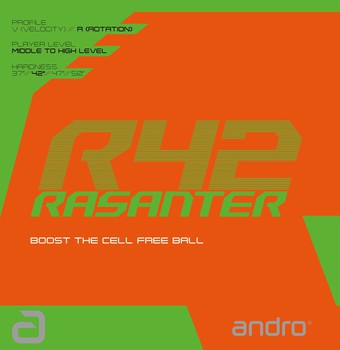
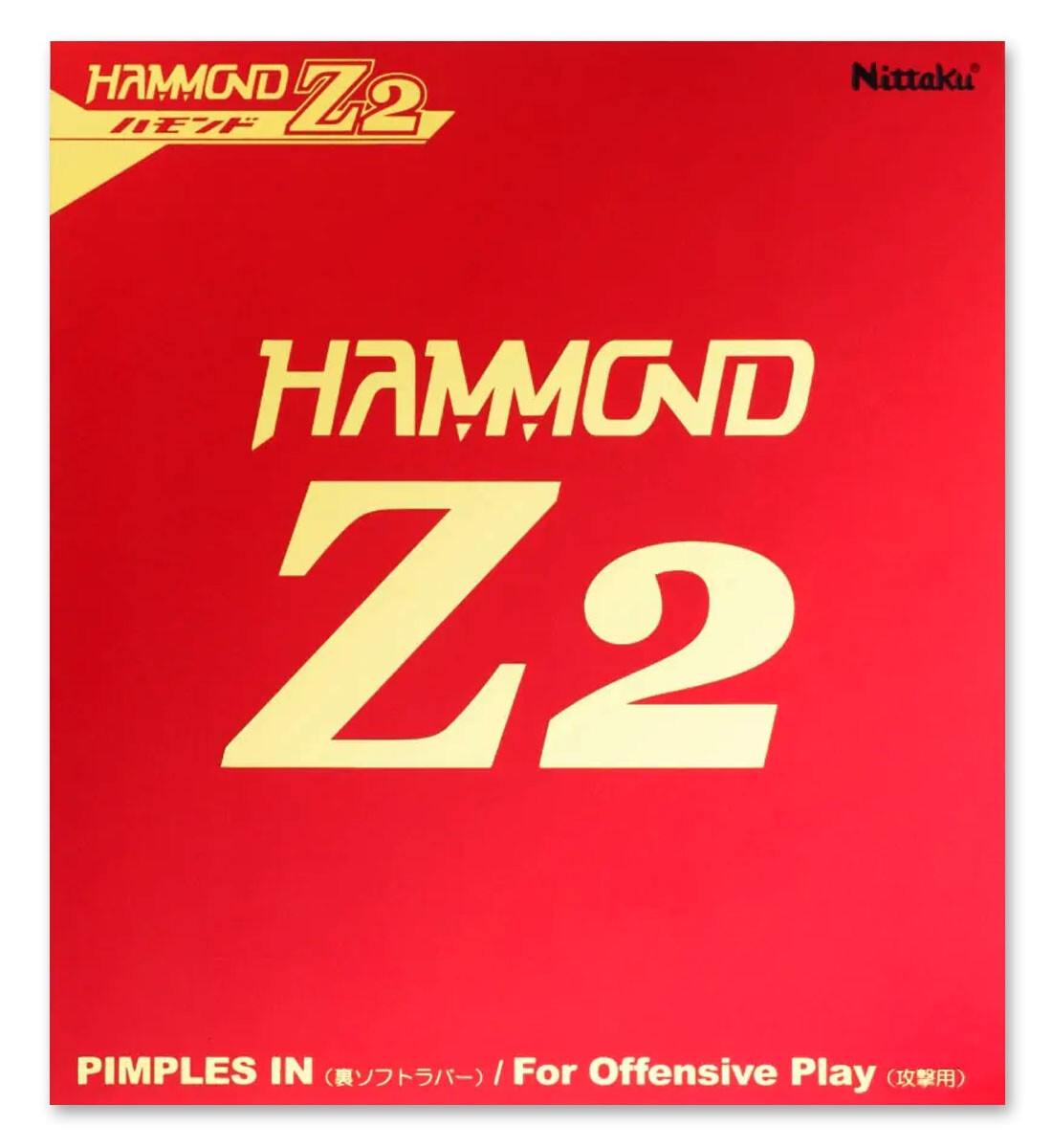
We may earn a commission from links on this page. Learn more.
These rubbers diverge sharply on player level and playing style. Rasanter R42 is a teaching rubber disguised as an offensive tool—it rewards technique through generous dwell time and forgiveness, making it ideal for intermediates building consistency. With a rating of 8.7, it delivers reliable performance across soft touch and fast loops alike.
Hammond Z2 sits at the opposite end: rated 8.8, it is uncompromisingly offensive. Its made-in-Japan hardness (52 degrees versus R42’s 42) demands active, well-timed strokes and offers zero margin for passive contact. Z2 excels for advanced loopers and counterlooping specialists who swing through the ball aggressively. The catch is accessibility—Hammond will frustrate intermediate players used to softer, more forgiving rubbers, while R42 will feel too tame for experts chasing maximum spin and pace.
FAQ
I’m intermediate and not sure about my stroke timing yet. Which suits me?
R42 without question. Intermediate players still building consistency need a rubber that forgives slightly mistimed contact. Hammond is polarizing precisely because it reveals timing flaws instantly—expect learning frustration if your strokes are inconsistent.
Which spins more on loops against heavy backspin?
Hammond Z2 rates higher on spin output and excels specifically for counterlooping power. R42 generates excellent spin but through dwell time and forgiveness rather than raw energy. For digging out heavy backspin, Z2’s 9.5 spin rating is your answer.
How do they compare on durability?
Both hold up well long-term. Hammond is specifically praised for above-average durability compared to typical tensor rubbers. R42 performs excellently for months but can fade a little after weeks of intensive daily play. Hammond is the more stable choice over a season.
Can Hammond work on an all-wood blade?
Better suited to OFF-minus or flexible blades, not stiff carbon. R42 adapts well to hard or carbon blades. If your blade is carbon-heavy, R42 will feel more comfortable; Hammond may feel overly demanding.
Who would switch from R42 to Hammond?
Players with 3-4 years of training who’ve mastered stroke mechanics and want to unlock true offensive power. Hammond demands the control foundation R42 teaches. Attempting Hammond too early leads to frustration; too late, and you’ll wish you’d made the jump sooner.