The "F6" Rivals: Where China's Top Men's Opponents Stand Today
The so-called “F4” — now a common shorthand for four of the most formidable young rivals in men’s table tennis: Felix Lebrun, Truls Möregård, Harimoto Tomokazu, and Lin Yun-ju. The F4 have already cleared one milestone: starting last year, every one of them has reached a WTT Grand Smash final. More recently a “F6” has emerged, adding Hugo Calderano — who was in outstanding form last year — and the rapidly improving Matsushima Sora.
Today, let us break down this F6 group. We will go in order of their current world singles rankings.
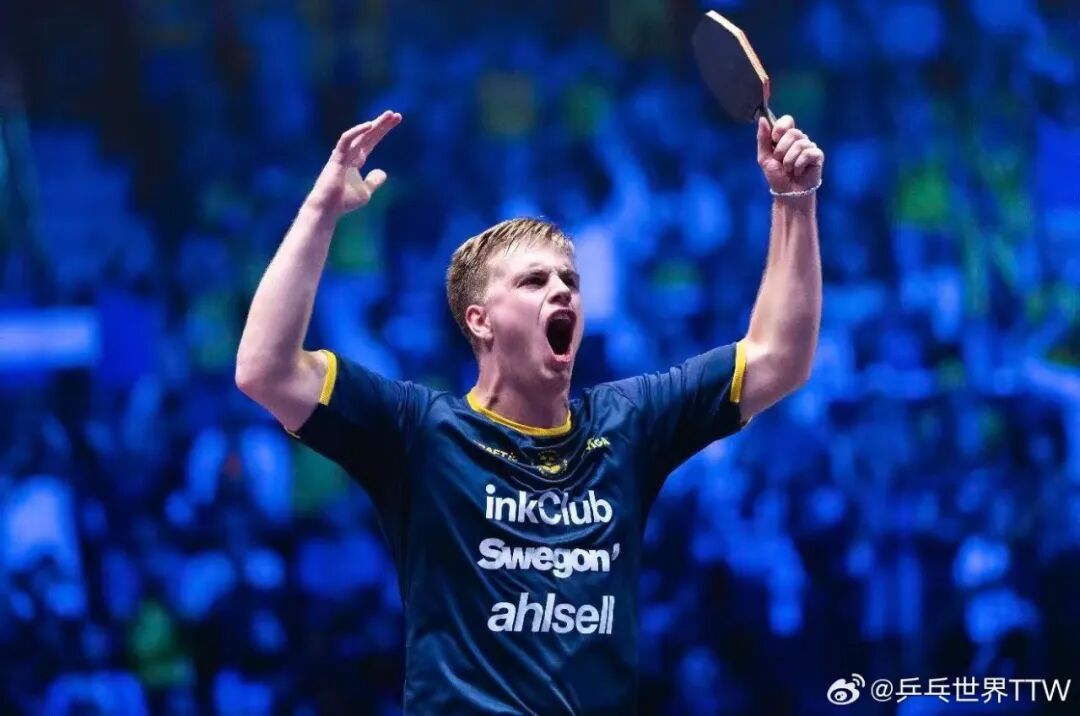
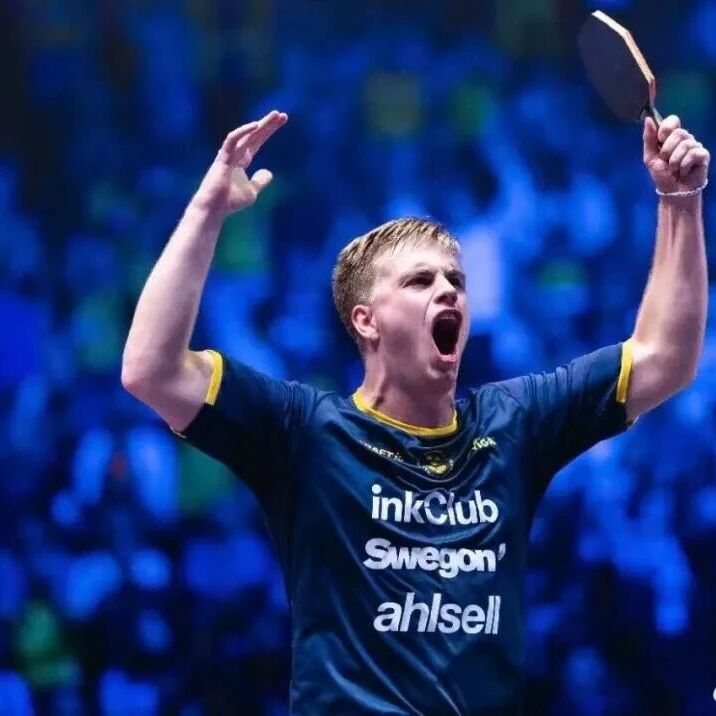
Truls Möregård
Equipment: Stiga Cyber 6 CWT Gold Label, both sides Helix Platinum
Recent results:
- 2026 Singapore Smash semifinalist
- 2025 Hong Kong Finals runner-up
- 2025 Montpellier Championships champion
- 2025 European Grand Smash champion
- 2025 Yokohama Championships semifinalist
- 2025 Doha World Championships semifinalist
Having taken the runner-up spot at both the Houston World Championships and the Paris Olympics, and still being very young, his ability and potential are not to be underestimated. In competition he has beaten both Wang Chuqin and Lin Shidong. His technical and tactical variation is exceptionally rich, and whoever faces him has a headache coming. His form over the past year has been strong.
Beyond his diverse techniques, his game is more aggressive — with greater emphasis on a definitive forehand finisher. His serve return variation is extensive; there is a natural quality to his touch, allowing him to make split-second adjustments at the moment of contact. His backhand is also rather unusual. While the mainstream today is looping and counter-looping, he relies far more on the traditional punching drive. Underpinning everything is his well-rounded technical base and formidable mental strength — he can enjoy even a last-ball tiebreaker.
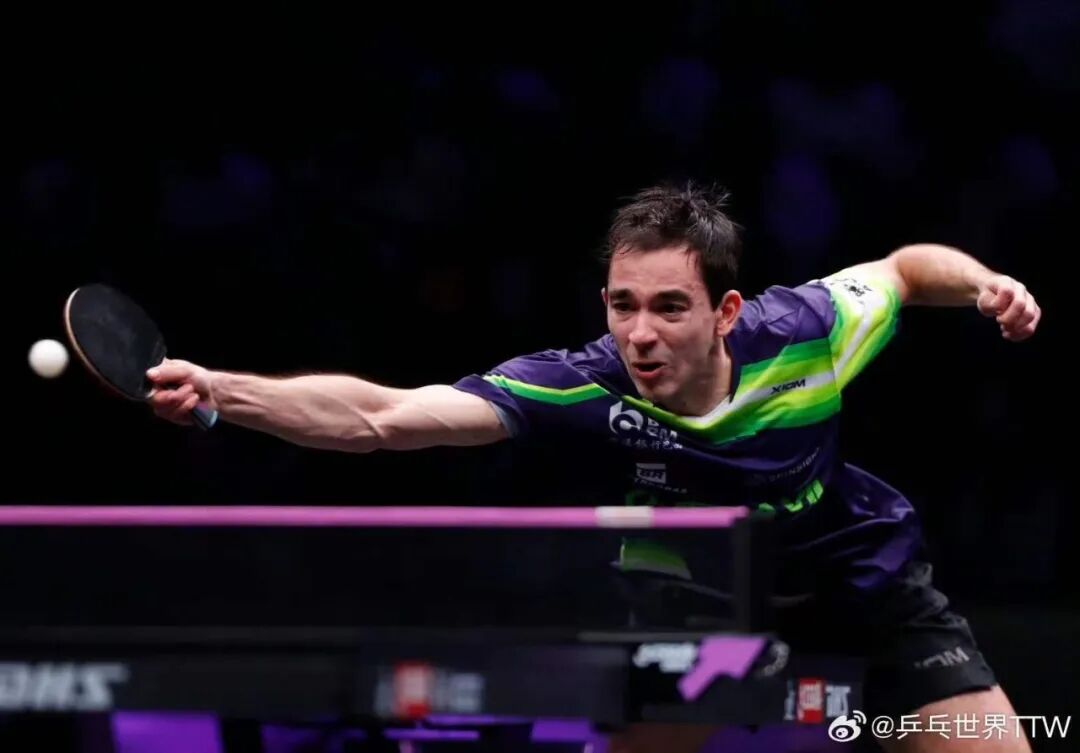
Hugo Calderano
Equipment: Joola Hugo ARY-C, both sides Joola Hugo Trinity Charged
Recent results:
- 2026 Americas Cup champion
- 2025 Macao Championships runner-up
- 2025 Doha World Championships runner-up
- 2025 Macao World Cup champion
After losing 0-4 to Duda in August 2025, Hugo’s form dipped somewhat for the following six months. Before that, though, he was on an absolute tear. He claimed the Macao World Cup title with wins over Wang Chuqin and Lin Shidong, then took the runner-up spot at Doha against Wang Chuqin. In the matches that followed — Ljubljana (4-2 vs Felix), Buenos Aires (4-1 vs Ogata Mizuki), and Iguazu (4-3 vs Duda) — he won all three titles.
Put simply: at the major events, he remains one of the most dangerous threats in men’s table tennis, right alongside Harimoto Tomokazu. Both of them are capable of beating Wang Chuqin. While a win over the other Chinese top players is not guaranteed, they are consistently among the championship favorites.
Hugo’s growth over the past year comes down to several things. First, a fundamental shift in how he approaches competition: he stopped loading himself with expectations and the weight of past defeats, and instead channeled his energy into the match itself — rediscovering how to find joy in the process. Second, “hard training” and “stronger mental resilience.” Before major events, he began logging his personal growth and breakthroughs at each practice session, reminding himself how far he has come and what he is capable of achieving.
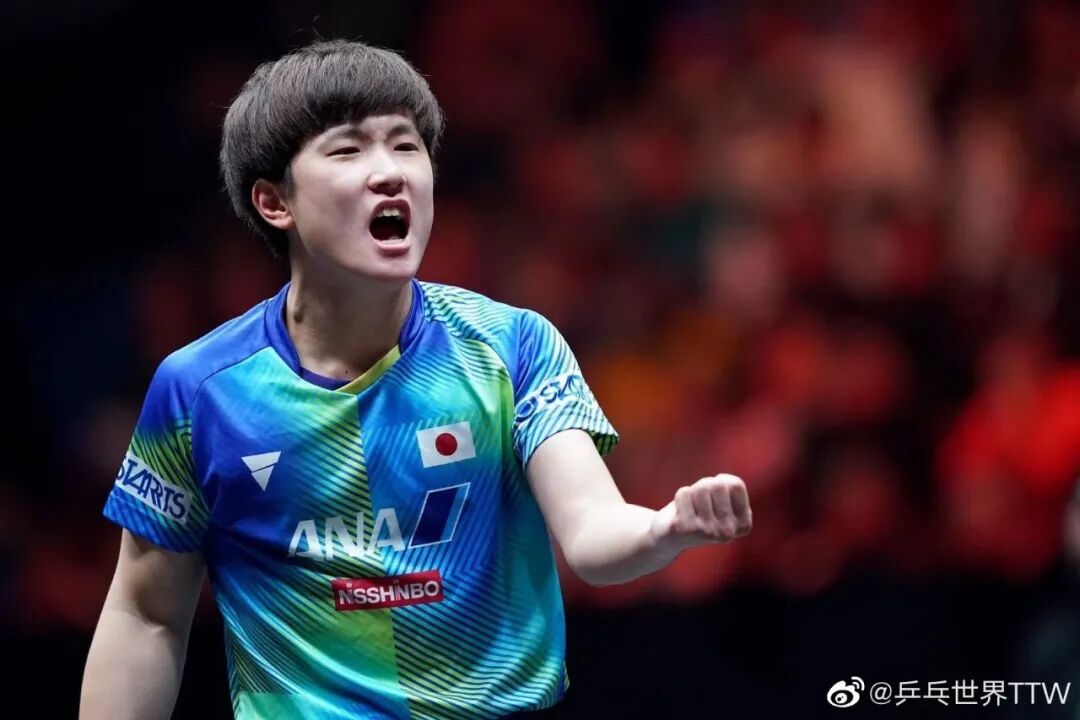
Harimoto Tomokazu
Equipment: Harimoto Tomokazu SALC, both sides ZYRE-03
Recent results:
- 2026 Asian Cup runner-up
- 2026 Doha Championships semifinalist
- 2025 Hong Kong Finals champion
- 2025 Yokohama Championships champion
- 2025 US Open Grand Smash runner-up
Harimoto is just that kind of player — sometimes inconsistent, going out in the top 32; other times dialed in and making finals. He has experience beating Wang Chuqin, and he is practically the bane of Lin Shidong’s existence. That makes him very hard to deal with.
Over the past year, Harimoto’s tactical options have expanded considerably. His backhand banana flip has always been a strength. But at the Yokohama Championships he deliberately abandoned the flip, opted to push the ball long, and consciously played a defensive game. He loaded plenty of heavy spin on his forehand loops, pulling Wang Chuqin into his mid-body position, which forced error after error. He ended up defeating Wang Chuqin.
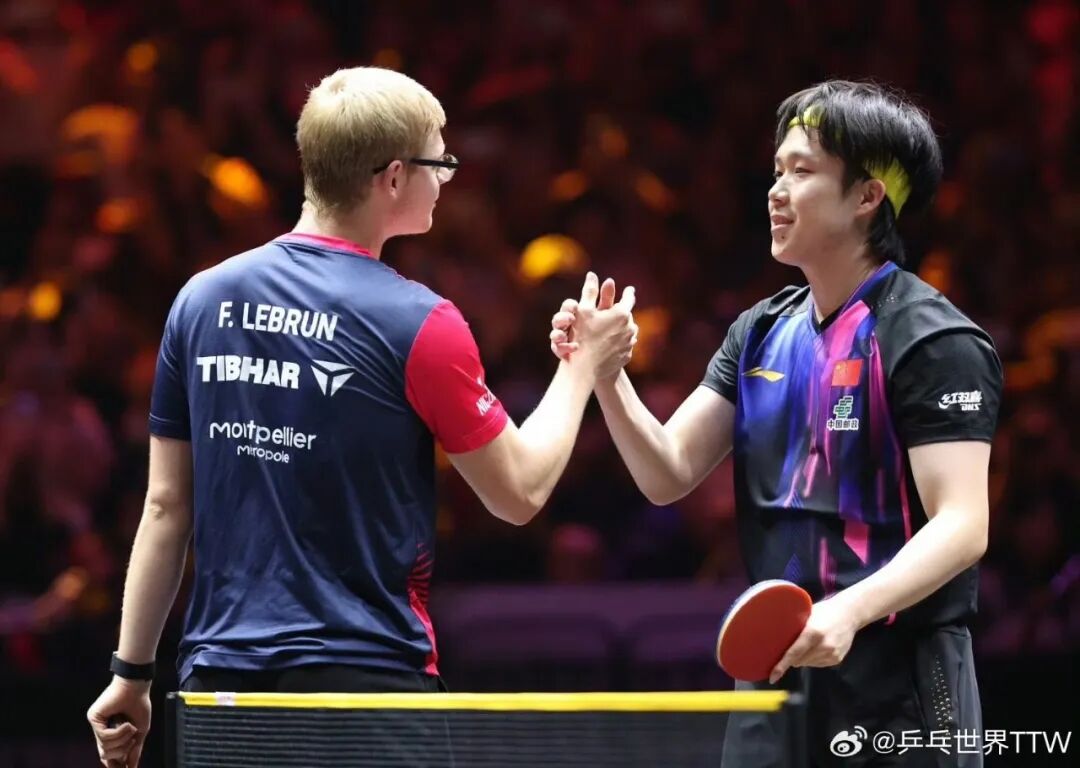
Felix Lebrun
Equipment: Tibhar Felix, both sides K3 Pro
Recent results:
- 2026 Singapore Smash semifinalist
- 2026 European Cup semifinalist
- 2025 China Grand Smash runner-up
- 2025 US Open Grand Smash semifinalist
Overall, his results are solid. But bear in mind he is only 19 — a genuine prodigy. Against Lin Shidong, one of China’s top players, Felix has a losing record in repeated encounters. That puts enormous pressure on the Chinese men’s team.
His match tempo is consistently fast. Look carefully: while his serves are mainly side-upper and side-lower spin, the variation inside that range is actually quite rich — he occasionally throws in a backhand serve. He also delivers a high volume of long serves to facilitate his own attack and raise the pace, keeping opponents constantly scrambling. The Tibhar Felix blade, considered an all-around powerhouse, is well-balanced and one of the faster inner carbon blades on first-ball speed — it is built for fast-arc play, with consistency and close-range speed as its top priorities.
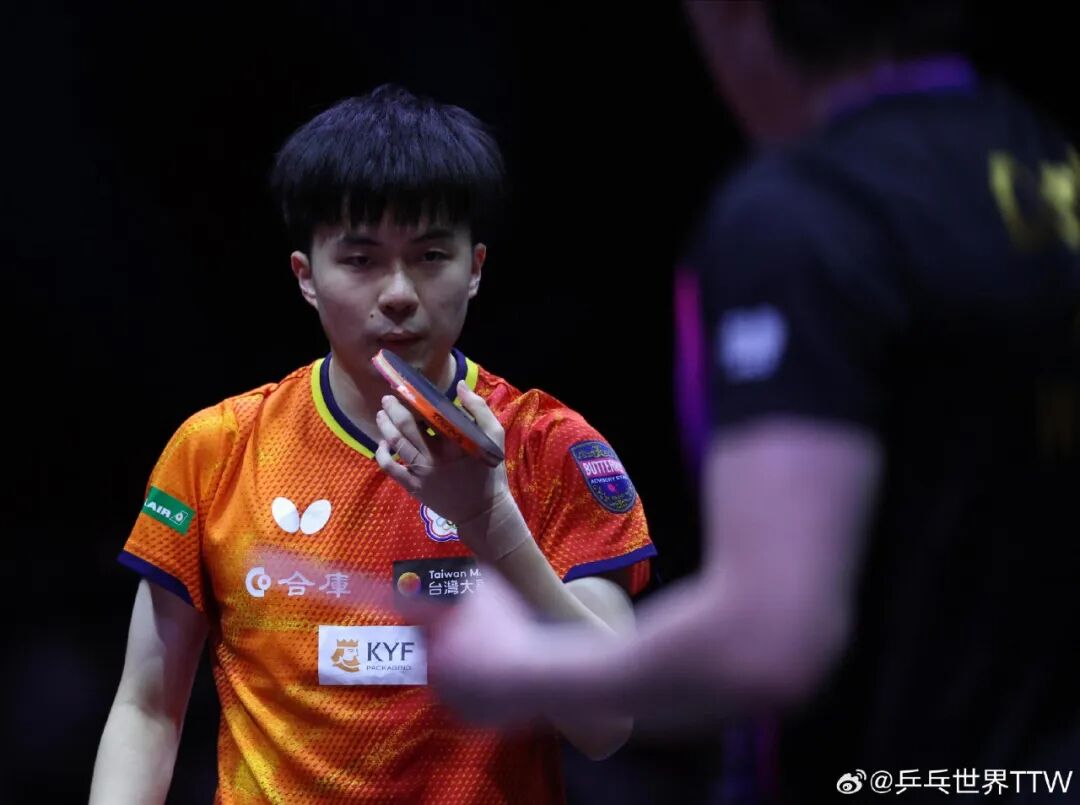
Lin Yun-ju
Equipment: Super Viscaria, ZYRE-03, Dignics 05
Recent results:
- 2026 Singapore Smash runner-up
- 2026 Doha Championships champion
- 2025 Incheon Championships semifinalist
- 2025 Asian Cup semifinalist
Among the F6, his 2025 season was the weakest. But 2026 has been a fresh start, and his form is genuinely impressive. His poor 2025 stemmed from a combination of injury and equipment issues. Taiwanese media reported that Lin had been very happy with his previous main blade, but it had softened with use — the response was less powerful, and he found a worn-down hollow feel in the sweet spot. Yet throughout 2025 he tested at least 40-plus blades without finding one that satisfied him, until he finally landed on a Super Viscaria that felt right.
With that settled, 2026 form has warmed up nicely. His backhand is punishing, his forehand has grown stronger, and he could well give us some serious trouble in the new year.
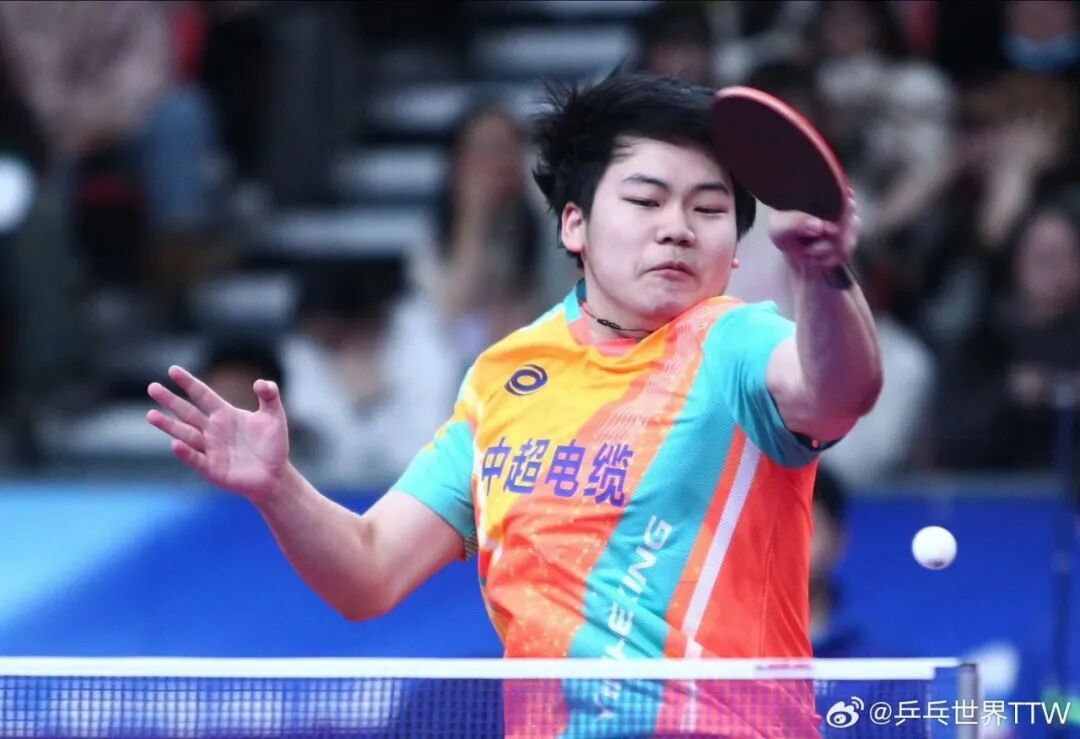
Matsushima Sora
Equipment: Fan Zhendong ALC, Dignics 09c, ZYRE-03
Recent results:
- 2025 Frankfurt Championships champion
- 2025 Montpellier Championships runner-up
His other results are mostly quarterfinal and round-of-16 appearances. That said, his improvement last year was plain to see — he also defeated both Wang Chuqin and Liang Jingkun. Matsushima has now won the All Japan Championships singles title two years running.
He switched his backhand from D05 to ZYRE-03 last year, which makes him less susceptible to heavy incoming spin — he can fight back more instinctively. Matsushima serves a tremendous volume of fast-deep serves, and only someone with a very sound defensive foundation can dare to use that serve that heavily. His overall game style prizes speed and aggression.
That is the current status report on the men’s F6. Here is hoping that in the new year, our Chinese men’s team can match or surpass them.